
How to Start an Online Store in 2026 (Complete Beginner’s Guide)
Starting an online business has never been more accessible — or more competitive. If you’re searching for how to start an online store in 2026, you’re already making a smart move. Global ecommerce sales are projected to surpass $7.9 trillion by 2027, according to Statista, and businesses that go digital today are securing massive advantages over those that wait.
At Web Dream Agency, we’ve helped dozens of entrepreneurs launch professional online stores — from zero to their first sale — without needing a single line of code. This eCommerce guide for 2026 will walk you through every step: niche selection, store building, product optimization, payment setup, SEO, launch, and scaling.
Let’s dive in.
Why Start an Ecommerce Business in 2026?
Before we get into the “how,” let’s talk about the “why.” The numbers speak for themselves:
- Over 2.77 billion people are expected to shop online by 2025, as reported by Oberlo’s ecommerce statistics.
- Mobile commerce alone accounts for 60% of all e-commerce sales globally.
- Small businesses with a professional online presence grow 2x faster than those without one.
- The barrier to entry has dropped dramatically thanks to AI tools, no-code platforms, and affordable web design services like ours at Web Dream Agency.
Whether you want to sell physical products, digital downloads, or services, the opportunity in 2026 is enormous. The question isn’t whether you should start. It’s how to do it right.
Step 1: Choose a Profitable Niche
Your niche is the foundation of your entire ecommerce business. Getting this wrong means fighting an uphill battle no matter how great your website looks.
How to Pick the Right Niche
A great niche has three qualities: demand, manageable competition, and profit potential. Here’s how to find one:
1. Solve a Real Problem The best products don’t just look good — they fix something. Think about problems you personally face, or pain points you see in communities, forums, or social media groups.
2. Validate Demand with Data Use Google Trends to check whether interest in your niche is growing or declining. Look for steady upward trends or seasonal opportunities.
3. Analyze Your Competition Search your main keyword on Google. If the first page is filled with massive brands like Amazon or Walmart, you’ll need a tighter sub-niche. Tools like Ubersuggest and SEMrush can help you measure keyword difficulty and competition.
4. Target a Specific Audience. “Women’s clothing” is too broad. “Sustainable activewear for plus-size women” is a niche. The more specific you are, the easier it is to market.
Trending Niches in 2026
- Health & Wellness – Mental health tools, fitness gear, supplements
- Eco-Friendly Products – Zero-waste packaging, reusable alternatives
- Digital Services & Products – Online courses, templates, SaaS tools
- Smart Home Gadgets – Automation devices, AI-powered home tools
- Pet Products – Premium food, grooming, accessories
- Baby & Parenting – Safety products, educational toys, organic care
Not sure which niche suits your skills and interests? Contact our team at Web Dream Agency — we offer free consultations to help you position your business correctly from the start.
Step 2: Build Your Online Store the Right Way
This is where most beginners either waste months or spend thousands unnecessarily. In 2026, you don’t need to hire an expensive development team or learn complex coding.
Choosing the Right Platform
Popular ecommerce platforms include:
- Shopify – Best for beginners, fully hosted, scalable
- WooCommerce – Great for WordPress users who want more control
- BigCommerce – Ideal for growing stores with advanced needs
- Wix / Squarespace – Good for simple stores or portfolio-based businesses
Each has trade-offs in pricing, flexibility, and ease of use. Our team at Web Dream Agency helps you choose the right platform and builds your store to be fast, SEO-friendly, and conversion-optimized — so you don’t waste time on the learning curve.
What Your Online Store Must Have in 2026
A professional ecommerce store needs more than just a homepage and a product page. Here’s the complete checklist:
Design & UX:
- Mobile-first responsive design (over 70% of shoppers browse on mobile)
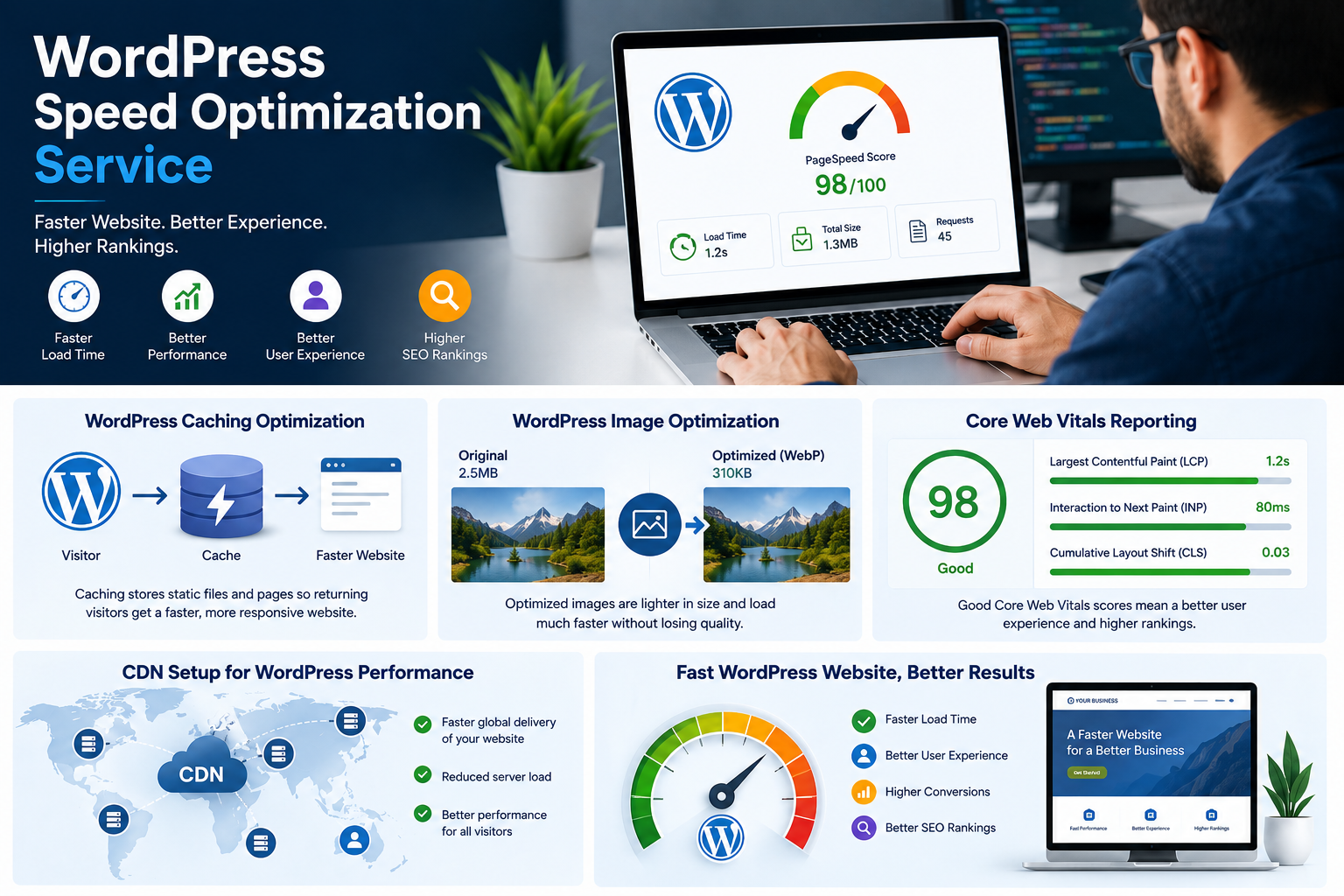
- Fast loading speed — pages that take over 3 seconds lose 53% of visitors
- Clean, professional layout with consistent branding
- Easy navigation with clear category structure
Trust Signals:
- SSL certificate (HTTPS) for secure browsing
- Clear return and refund policies
- Customer reviews and testimonials
- About page that tells your brand story
Technical SEO Foundation:
- Clean URL structure
- Optimized page titles and meta descriptions
- Fast Core Web Vitals scores
- Sitemap and proper schema markup
Looking for a done-for-you solution? Explore our website design and development services at Web Dream Agency.
Step 3: Add Products and Optimize Your Listings
Your store is built — now you need to fill it with products that sell. Product page optimization is one of the most underrated aspects of ecommerce success.
Writing Product Titles That Rank and Convert
A good product title should include:
- The primary keyword
- Key specifications (size, color, material if relevant)
- A natural, readable format
Example:
- ❌ Bad: “Blue Bottle.”
- ✅ Good: “Stainless Steel Insulated Water Bottle – 750ml, Leak-Proof, BPA-Free”
Writing Descriptions That Sell
Don’t just list features — explain benefits. Answer the question: “What problem does this solve for my customer?”
Structure your description as:
- Hook – Address the pain point
- Solution – How your product solves it
- Features – Key specs in bullet form
- Social Proof – Customer results or ratings
- CTA – “Add to Cart” or “Buy Now”
Image Optimization Tips
- Use high-quality images (minimum 1000px width)
- Add alt text to every image with relevant keywords
- Compress images with tools like TinyPNG for faster load times
- Show multiple angles and lifestyle shots
Customer Reviews Matter More Than Ever
According to BrightLocal’s research, 98% of consumers read online reviews before making a purchase. Set up automated review request emails from day one.
Step 4: Set Up Payment and Shipping
A smooth checkout process directly impacts your conversion rate. Complicated or untrustworthy payment flows are the #1 cause of cart abandonment.
Recommended Payment Gateways in 2026
- Stripe – Best for global businesses, supports 135+ currencies
- PayPal – Familiar and trusted by billions of users worldwide
- SSLCommerz / bKash / Nagad – Essential for Bangladesh-based stores
- Razorpay – Popular in South Asia for seamless local payments
Best Practice: Offer at least 2–3 payment options to reduce checkout friction.
Shipping Strategy
| Shipping Method | Best For |
|---|---|
| Free Shipping (built into price) | Increasing average order value |
| Flat Rate Shipping | Predictable, easy for customers |
| Weight/Zone-Based Rates | Physical product businesses |
| Local Delivery | Hyperlocal businesses |
| Click & Collect | Hybrid businesses with a physical presence |
Always be transparent about shipping times and costs. Hidden fees at checkout cause 48% of cart abandonments, according to Baymard Institute research.
Step 5: Create an SEO & Content Marketing Strategy
Here’s the truth: you can have the most beautiful online store in the world, and it means nothing if no one finds it. SEO is how you get free, consistent traffic from Google — month after month.
On-Page SEO Essentials
Keyword Research: Start with your main keyword (e.g., “eco-friendly water bottles Bangladesh”) and find related terms using Google Keyword Planner or Ubersuggest. Target a mix of high-volume terms and long-tail keywords.
Page-Level Optimization:
- Include your focus keyword in the H1, first paragraph, and meta description
- Use H2s and H3s to structure content logically
- Add internal links between related pages
- Optimize image alt text
Technical SEO:
- Submit your sitemap to Google Search Console
- Fix crawl errors and broken links regularly
- Ensure your site passes Google’s Core Web Vitals assessment
Content Marketing: The Long Game
Businesses that blog consistently generate 67% more leads per month than those that don’t, according to HubSpot. Start a blog on your store and publish helpful content your target audience is searching for.
Content Ideas for Ecommerce Blogs:
- How-to guides related to your products
- Product comparisons and buying guides
- Industry news and trend roundups
- Customer success stories
Our team at Web Dream Agency regularly publishes guides exactly like this one to help entrepreneurs grow online. Explore our SEO services to see how we can accelerate your store’s organic rankings.
Social Media Marketing in 2026
- Facebook & Instagram Ads – Still the most powerful paid social channels for ecommerce
- TikTok Shop – Rapidly growing, especially for younger demographics
- YouTube – Product review videos and tutorials drive massive organic traffic
- Pinterest – Underrated goldmine for product discovery, especially in home, fashion, and food niches
- WhatsApp Business – Critical for customer service and repeat purchases in South Asia
Step 6: Launch Your Online Store
You’ve built your store, added your products, and set up payments. Now it’s time to go live — but don’t hit the publish button blindly.
Pre-Launch Checklist
Before you launch, run through this checklist:
- Test the full checkout flow on desktop and mobile
- Place a test order to confirm that payment and order confirmation emails work
- Check that all product images load correctly
- Review all product prices, titles, and descriptions
- Test page load speed using Google PageSpeed Insights
- Verify your contact page and forms work
- Check that your return/refund policy page is live
- Set up Google Analytics 4 and Google Search Console
- Connect your Facebook Pixel and other ad tracking
Launch Promotion Strategy
Don’t just go live quietly. Create buzz with:
- Email blast to your existing contacts or subscribers
- Social media countdown posts in the week before launch
- Launch a discount (10–20% off for the first 48 hours) to drive urgency
- Facebook/Instagram ads targeting your ideal customer
- Collaborations with micro-influencers in your niche
- WhatsApp broadcast to your personal and business contacts
A well-executed launch can generate your first 50–100 sales and crucial customer reviews that fuel future organic growth.
Step 7: Scale Your Ecommerce Business
Once you’re making consistent sales, it’s time to grow. Scaling isn’t just about spending more on ads — it’s about building systems.
Strategies for Scaling in 2026
Expand Your Product Range: Use data from your best-sellers to identify complementary products. Upselling and cross-selling can increase average order value by 20–30%.
Invest in Paid Advertising:
- Start with Facebook and Instagram retargeting (targeting people who visited but didn’t buy)
- Test Google Shopping ads for high-intent buyers
- Use TikTok ads if your audience is under 35
Build an Email List: Email marketing delivers the highest ROI of any digital channel — around $42 for every $1 spent according to Campaign Monitor. Set up automated flows for:
- Welcome series for new subscribers
- Abandoned cart recovery (recovers 5–15% of lost sales)
- Post-purchase follow-up
- Re-engagement campaigns
Automate Operations: Use tools to automate inventory management, order fulfillment, customer support (AI chatbots), and email sequences. The more you automate, the more you can focus on growth.
Upgrade Your Website: As your business grows, your website needs to keep up. Slow pages, poor UX, and outdated design cost you sales. Our web development and redesign services at Web Dream Agency are designed to grow with your business.
Common Mistakes to Avoid When Starting an Online Store
Even smart entrepreneurs make these mistakes. Learn from others so you don’t have to:
1. Choosing the Wrong Niche: Picking a niche based purely on passion, without validating market demand, leads to an empty cart. Always test demand with data first.
2. Ignoring Mobile Optimization Over 70% of ecommerce traffic is mobile. A site that looks great on desktop but breaks on mobile loses most of its potential customers.
3. Skipping SEO Paid ads stops when your budget runs out. SEO compounds over time and drives free traffic for months and years. Build your SEO foundation from day one.
4. Poor Product Photography In e-commerce, customers can’t touch or try your product — photos are everything. Investing in good photography pays for itself immediately.
5. Overcomplicating Your Checkout. Every extra step in checkout loses customers. Aim for a 2-3 step checkout maximum, and always offer guest checkout.
6. No Marketing Plan: Building a store and waiting for customers is not a strategy. You need a clear plan: SEO, social, email, and/or paid ads.
7. Not Tracking Data If you’re not tracking, you’re guessing. Set up Google Analytics, Search Console, and your ad pixels before you launch — not after.
Frequently Asked Questions (FAQ)
How to start an online store in 2026 with no experience?
You don’t need technical skills or a big budget. Start with a clear niche, choose a beginner-friendly platform like Shopify, and consider working with a professional agency like Web Dream Agency to build your store the right way from the start. Most successful store owners outsource the design and development so they can focus on products and marketing.
How much does it cost to start an online store in 2026?
Startup costs can range from $100 to $5,000+, depending on your platform, design, inventory, and marketing budget. A basic Shopify plan starts at $39/month. Custom website development from an agency varies — contact us at Web Dream Agency for a free quote tailored to your needs.
How long does it take to start making sales?
With the right strategy, many stores make their first sale within 1–4 weeks of launch. Organic SEO traffic typically takes 3–6 months to build. Paid ads can drive traffic immediately, but require budget management. Consistency is key.
Is ecommerce profitable in 2026?
Absolutely. E-commerce continues to grow year over year. According to eMarketer, global e-commerce will account for 24% of all retail sales by 2026. Niche stores with a clear value proposition and strong SEO can be highly profitable even with modest traffic.
Do I need a business registration to start an online store?
Requirements vary by country. In Bangladesh, for example, you’ll need a trade license and may need to register for VAT/BIN depending on your revenue. Consult a local business advisor for compliance. It’s best to start the legal setup early to build trust with payment gateways.
What’s the best platform to build an online store in 2026?
Shopify remains the top choice for most beginners due to its ease of use and ecosystem. WooCommerce is excellent if you’re already on WordPress. For custom, high-performance stores with unique requirements, a professionally built solution from Web Dream Agency gives you the most control and scalability.
Conclusion: Start Your Ecommerce Journey Today
Learning how to start an online store in 2026 is one of the most valuable skills and investments you can make. The tools, platforms, and knowledge available today make it entirely possible for anyone — regardless of technical background or budget — to build a successful online business.
Here’s a quick recap of your roadmap:
- Choose a profitable niche with validated demand
- Build a professional, fast, mobile-friendly store
- Optimize your product listings for conversions and search
- Set up smooth payment and shipping to reduce friction
- Build an SEO and content strategy for long-term traffic
- Launch with a promotion plan to generate early momentum
- Scale with data, automation, and smart marketing
The most successful online stores aren’t built overnight — but with the right foundation and consistent effort, they become powerful, nearly passive income engines.
If you’re ready to skip the trial and error and launch your store the right way, Web Dream Agency is here to help. From custom ecommerce website design to SEO strategy, we build digital businesses that actually grow.
Ready to Launch Your Online Store?
👉 Get a Free Consultation with Web Dream Agency
👉 Explore Our Ecommerce Web Design Services
👉 Read More Growth Tips on Our Blog